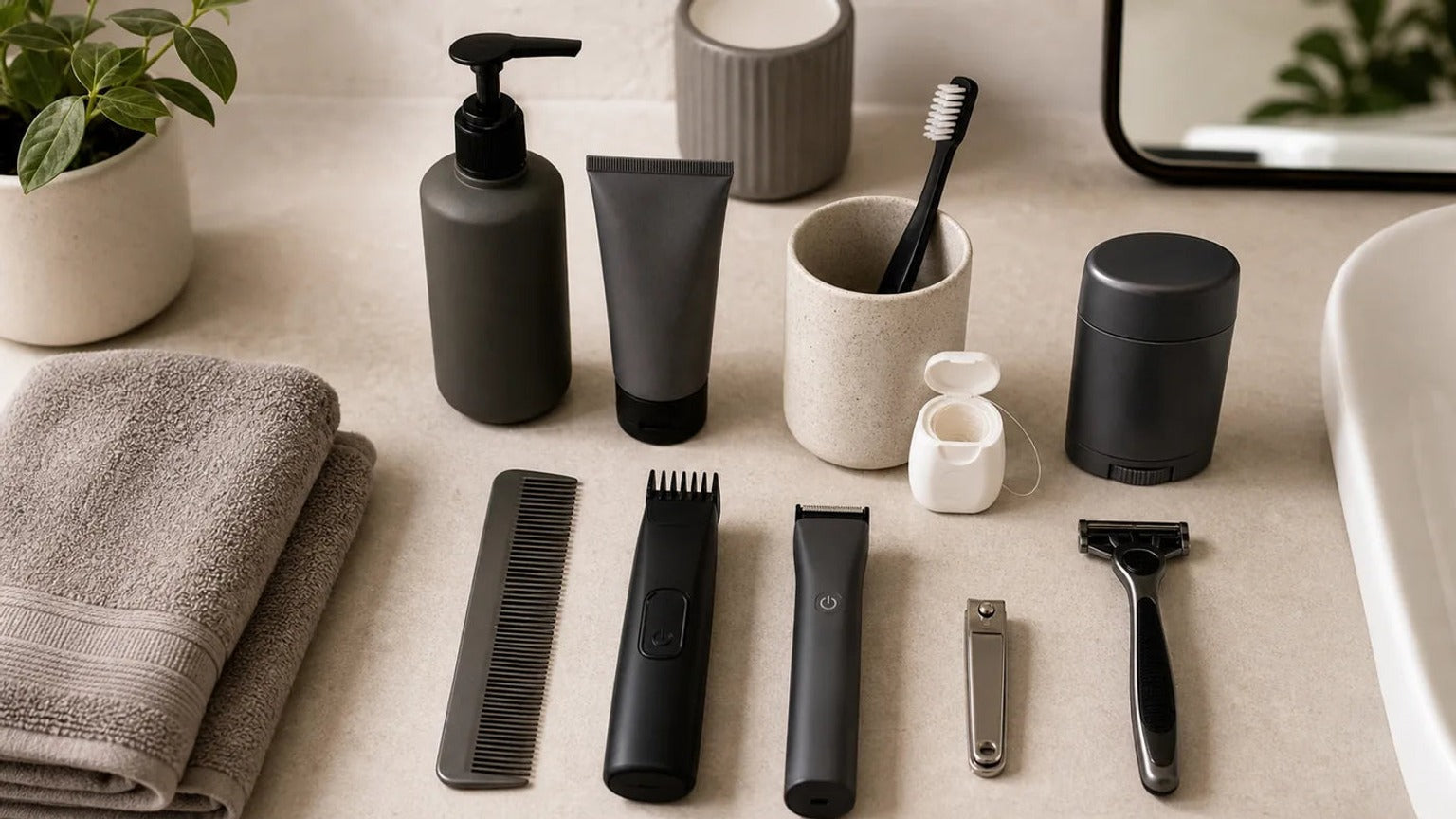
Choosing the right body grooming tool is easier when you focus on the features that affect everyday use rather than simply comparing specifications. The most important factors are usually the tool’s purpose, cutting control, attachment options, handling, cleaning process, and whether it fits your preferred grooming routine. A trimmer, groomer, and shaver may look similar, but they are designed for different tasks. This guide explains how to evaluate body grooming tools, which features are essential, and which ones are optional depending on your needs.
Understanding the Main Types of Body Grooming Tools
Before comparing features, it helps to understand what each type of grooming tool is designed to do.
A trimmer is generally used for reducing hair length and maintaining a specific style. It is useful when you want control over how much hair is removed rather than aiming for a completely smooth result.
A groomer is usually a more flexible option that combines trimming functions with additional attachments or adjustments. It can be useful for people who want one tool for multiple body areas and different grooming preferences.
A shaver focuses more on removing hair close to the skin. It is often considered when a smoother finish is the main goal, although the experience can vary depending on the device design and how it is used.
Combination tools attempt to cover several functions in one device. They can be convenient, but the right choice depends on whether you actually need multiple grooming methods or mainly perform one specific task.
The key question is not which category is universally better. It is which tool type matches the way you plan to use it.
The Feature Framework: What Actually Changes the Experience?
When comparing body grooming tools, focus on features that influence control, convenience, and consistency.
Blade and Head Design
The cutting system is one of the most important parts of a grooming tool because it determines how the device performs different tasks.
A versatile tool may include different head designs or attachments for various grooming situations. For example, a larger cutting area may help cover broader areas efficiently, while a more precise design can be useful when handling smaller or more detailed areas.
Instead of looking only at the number of blades or attachments, consider what each part allows you to do. A feature is valuable when it solves a real problem in your routine.
Length Settings and Guide Combs
Length control is one of the most practical features for body grooming.
Adjustable combs or length settings allow you to maintain different hair lengths without needing multiple tools. This is especially useful if your grooming preferences change between different areas or occasions.
A common mistake is choosing a tool with many settings but never using them. More options do not automatically mean better results. The better choice is a system that provides the amount of control you actually need.
Handling, Visibility, and Angle Control
Body grooming often involves areas that are difficult to see or reach, making the design of the tool important.
A comfortable grip, balanced weight, and a head that follows your movements can make the process easier. Visibility also matters because being able to clearly see the area you are working on helps with more controlled grooming.
Some tools focus on flexible movement or angled designs. These features may be more useful for people who groom larger areas or areas where maintaining direction and control is important.
Useful Features vs Optional Features
Not every advanced feature is necessary for every user. Understanding the difference can help you avoid paying attention to features that do not improve your routine.
| Feature | Why It Matters | Who May Need It |
|---|---|---|
| Adjustable length settings | Provides control over hair length | Users with different grooming preferences |
| Multiple attachments | Supports different grooming tasks | People wanting one tool for several uses |
| Flexible head design | May improve movement and handling | Users grooming difficult areas |
| Wet and dry capability | Provides more usage options depending on routine | Users who prefer different environments |
| Rechargeable battery | Improves convenience and portability | Frequent users or travelers |
| Easy cleaning design | Reduces maintenance effort | Anyone using the tool regularly |
A feature becomes important when it matches your habits. For example, someone who only trims occasionally may value simplicity, while someone with a more detailed grooming routine may benefit from additional adjustment options.
For those exploring different categories and finding a suitable starting point, resources such as body grooming tools can help compare general tool types and understand available grooming solutions.
Cleaning and Maintenance: The Feature People Often Ignore
A grooming tool’s performance depends not only on its design but also on how it is maintained.
Easy cleaning can make a major difference in long-term use. Features such as washable components, removable heads, or simple maintenance routines can make regular care less complicated.
Before choosing a tool, consider how much time you are willing to spend maintaining it. A device with advanced functions may not be the best option if cleaning and upkeep become inconvenient.
Regular maintenance also helps keep the tool ready for future use. Following the manufacturer’s instructions for cleaning and storage is usually the best way to protect the device and its components.
Charging and Wet or Dry Use Considerations
Power management is another practical factor when selecting a body grooming tool.
Rechargeable devices offer flexibility because they reduce dependence on disposable batteries and can be easier to use at home or while traveling. Battery life, charging method, and storage convenience may influence how suitable a tool feels in everyday situations.
Wet or dry capability is also worth considering. Some people prefer grooming during or after a shower, while others prefer a dry routine. A tool designed for one environment may not provide the same experience in another, so it is important to check the intended usage conditions.
Rather than assuming a certain feature is always better, match the tool’s design to your personal routine.
Questions to Ask Before Choosing a Body Grooming Tool
Before making a decision, ask yourself a few practical questions:
-
What is my main grooming goal?
Do you mainly want trimming, length control, or a closer finish? -
How many areas will I use it for?
A simple tool may be enough for one purpose, while multiple attachments may help if your needs vary. -
How much control do I want?
More adjustment options can be useful, but unnecessary settings may add complexity. -
How much maintenance am I comfortable with?
A tool that is easy to clean and store may be more practical for regular use. -
Where will I use it most often?
Charging options, size, and wet or dry compatibility may matter depending on your routine.
Conclusion: Choose Features Based on Your Routine
The best body grooming tool is not necessarily the one with the longest feature list. It is the one that provides the right balance of control, convenience, maintenance, and functionality for your specific needs.
Start by identifying the type of grooming you do most often, then evaluate the features that directly support that routine. Understanding the difference between essential features and optional extras makes it easier to choose a tool that fits your lifestyle without being distracted by unnecessary details.