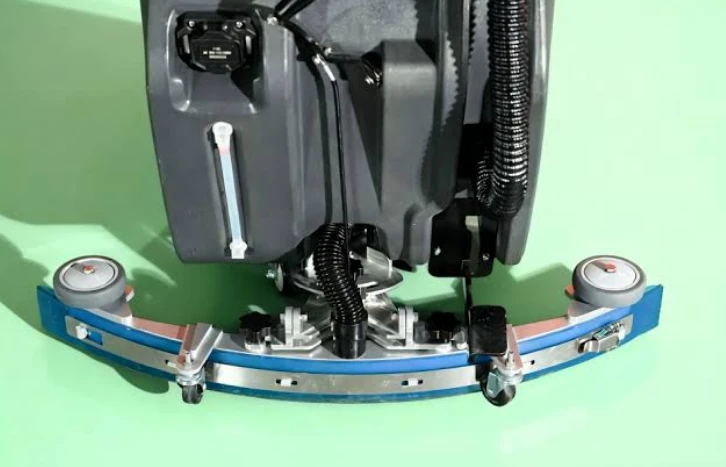
A practical cleaning machine maintenance schedule reduces equipment downtime, keeps cleaning quality stable, and extends machine service life. For commercial scrubbers, sweepers, and vacuums, daily checks combined with monthly servicing can reduce unexpected repairs by around 30–50%. A structured plan based on operating hours, component wear, and working conditions helps facilities control repair costs and maintain consistent performance.
Cleaning machines are used in offices, warehouses, airports, hospitals, and industrial buildings where equipment reliability affects daily operations. A ride-on floor scrubber operating 6–8 hours per day may exceed 1,500–2,000 working hours annually. During this period, brushes, batteries, motors, filters, and water systems gradually lose performance if they are not serviced regularly.
A professional cleaning machine maintenance plan should not only follow calendar dates but also consider machine usage. Equipment running in high-traffic areas usually requires more frequent inspections than machines used for lighter cleaning tasks.
“Maintenance intervals should match operating hours and working conditions instead of using the same schedule for every machine.”
A basic maintenance schedule can be arranged as follows:
| Frequency | Inspection Items | Recommended Tasks |
|---|---|---|
| Before each use | Safety and visible conditions | Check cables, tanks, brushes, wheels, and controls |
| Daily | Cleaning components | Empty tanks, rinse hoses, clean filters, inspect squeegees |
| Weekly | Mechanical parts | Check fasteners, tires, connectors, and water flow |
| Monthly | Electrical and motor systems | Test batteries, motors, pumps, and control panels |
| Every 3–6 months | Wear parts | Replace damaged brushes, blades, seals, and filters |
| Annually | Full machine service | Complete performance inspection and major part checks |
Daily maintenance takes only a few minutes but prevents many common problems. A dirty recovery tank can create unpleasant odors within 24–48 hours, while blocked filters may reduce suction performance by 15–25%. Operators should clean tanks after every shift and remove debris from brushes to prevent material buildup.
Battery care is one of the most important areas for electric cleaning equipment. Lead-acid batteries commonly used in commercial machines usually provide 500–1,200 charging cycles when properly maintained. Lithium-ion batteries introduced in many newer machines after 2018 can often exceed 2,000 cycles depending on temperature, charging habits, and usage patterns.
| Battery Maintenance Task | Recommended Frequency |
|---|---|
| Check charging status | Every operation |
| Inspect terminals | Weekly |
| Clean battery surface | Monthly |
| Test capacity | Every 3–6 months |
Operators should avoid leaving batteries completely discharged for long periods because deep discharge can reduce available capacity. Maintaining proper charging habits can extend battery replacement intervals by approximately 20–40% in many commercial applications.
Brushes and cleaning pads require regular inspection because they directly affect cleaning results. In warehouses with rough concrete floors, brushes may need replacement after 150–300 operating hours. In offices with smooth flooring, the same components may last more than 500 hours.
“A machine can continue running with worn brushes, but cleaning efficiency may drop before a visible failure appears.”
Squeegee blades also require attention because they control water recovery. A damaged blade may leave water marks, increase drying time, and require additional manual cleaning. Many facilities inspect squeegees daily and replace them every 3–6 months depending on floor type and operating frequency.
Weekly maintenance should include a more detailed mechanical inspection. Cleaning machines experience vibration, moisture exposure, and repeated movement, which can loosen connections over time.
Recommended weekly checks include:
-
Inspect wheel condition and steering response.
-
Check hoses for cracks or leakage.
-
Confirm brush pressure settings.
-
Remove dust around motors and ventilation areas.
-
Tighten loose screws and fittings.
These inspections are especially important for machines used in large facilities. A 2024 maintenance review from commercial cleaning operations showed that equipment with scheduled weekly inspections had fewer emergency repair requests compared with machines receiving only occasional servicing.
Monthly servicing requires checking systems that are harder for operators to evaluate during daily use. Motor noise, unusual vibration, reduced water pressure, and shorter battery duration may indicate component wear.
| Component | Possible Issue | Inspection Method |
|---|---|---|
| Motor | Reduced output | Check sound and operating temperature |
| Pump | Weak water flow | Test pressure and hose condition |
| Battery | Short runtime | Measure capacity performance |
| Controller | Operating errors | Review warning signals |
Environmental conditions influence maintenance frequency. Machines used in food processing areas, factories, and outdoor spaces often require shorter inspection intervals because dust, grease, chemicals, and moisture accelerate component wear.
For example, industrial sweepers working in dusty environments may require filter cleaning every shift instead of weekly cleaning. Scrubbers exposed to strong cleaning chemicals may need more frequent checks of seals and hoses because material damage can occur faster.
Seasonal changes also affect machine performance. Cold storage facilities may experience reduced battery efficiency during low temperatures, while humid environments increase the possibility of corrosion. Adjusting service frequency by workplace conditions helps maintain stable operation throughout the year.
A facility using several cleaning machines should maintain service records for each unit. A simple maintenance log can include:
| Record Type | Example |
|---|---|
| Machine hours | 1,800 hours |
| Battery condition | 85% capacity |
| Brush replacement | 240 operating hours |
| Filter service | Monthly |
| Repairs | Pump replacement |
Maintenance records allow managers to compare machine performance and estimate future service requirements. Facilities operating equipment for more than 2,000 hours per year usually benefit from detailed records because small performance changes can be identified earlier.
Preventive servicing also affects total equipment costs. A machine that receives regular inspections generally requires fewer emergency repairs, reducing service interruptions. In commercial environments, unexpected equipment downtime can increase manual cleaning requirements by 15–30% because staff must complete tasks without mechanical support.
“Regular inspections keep repair schedules predictable and help cleaning teams maintain daily productivity.”
Annual servicing should include a complete review of major systems. Technicians normally inspect electrical connections, motors, pumps, batteries, wheels, software functions, and safety features. Machines used heavily for 5–8 years may require replacement of several major components depending on operating hours and repair history.
Modern cleaning equipment increasingly includes digital monitoring features. Some machines record operating hours, battery cycles, and error messages automatically. Facilities using these systems can schedule maintenance based on actual machine conditions rather than fixed dates.
A practical maintenance program combines operator care, scheduled inspections, and professional servicing. Daily cleaning prevents small issues, weekly checks identify wear, monthly reviews maintain performance, and annual servicing keeps equipment reliable for long-term use. With consistent maintenance routines, commercial cleaning machines can continue operating efficiently across thousands of hours of service.